Commercial Sign Design, Fabrication, and Installation Guide

A sign project often involves more than the business owner and the sign company. Landlords, property managers, contractors, local agencies, and tenants may all have a role, especially when a sign needs permits or installation access. Commercial sign design, fabrication, and installation work best when everyone understands the plan, responsibilities, and timing. Start by defining the sign’s purpose, then confirm what the site allows and which approvals may apply. From there, the design and production can move forward with fewer surprises. This guide walks through the key stages and the questions to ask, so your New York City-area project has a clear path from the first discussion to the finished sign.
Key Takeaways
- Design around the sign’s purpose and location
: Identify who needs to see it, what they should understand, and how visibility, building conditions, materials, and lighting affect the design.
- Confirm approvals and site needs before setting a schedule
: Check local and property requirements, allow time for reviews and fabrication, and coordinate access, equipment, electrical work, and installation.
- Choose a sign company with end-to-end experience
: Ask who handles design, permits, fabrication, and installation, then plan routine inspections and timely repairs to keep the sign clear and functional.
What Does Commercial Sign Design, Fabrication, and Installation Involve?
A commercial sign project brings together planning, design, permits, fabrication, and installation. Each stage affects the next. The building’s exterior can shape the sign’s size and mounting method, while its location and intended audience help determine the layout, materials, and lighting.
Start by identifying what the sign needs to do. A storefront sign may help pedestrians find an entrance, while a monument sign may identify a business from the road. Consider what people need to read, how far away they’ll be, and how the sign should fit your brand and property. Site conditions matter, too: wall construction, existing wiring, visibility, and access for installation equipment can all affect the plan.
The project also requires coordination among business owners, property managers, sign professionals, and, in some cases, local agencies. Drawings may need approval, permits may be required, and installation dates may depend on site access or other construction work. San Signs & Awnings describes its process from planning through installation, giving clients support across the project’s key stages.
Set Project Goals, Budget, Schedule, and Site Needs
Begin with the sign’s purpose. Is it meant to identify your business, direct visitors, display changing messages, or add privacy to a storefront? List the wording, brand elements, lighting, and other features you need. These decisions help clarify the sign type, size, and placement.
Next, discuss budget and timing with your sign company. Costs may include design, materials, permits, fabrication, equipment, and installation. Share details about the building, including its surface, existing wiring, and any limits on wall space or site access. Material choice also affects the sign’s appearance and durability. Aluminum, steel, acrylic, and wood each have different properties, so consider the installation location and conditions the sign will face.
Coordinate Design, Permits, Fabrication, and Installation
Treat design, permitting, production, and installation as connected steps. The design needs to suit the sign’s purpose and location, while accounting for materials, lighting, mounting, and applicable requirements. Before fabrication begins, review the drawings, dimensions, colors, and specifications so everyone is working from the same approved plan.
Sign rules vary across the New York City area, and some properties have additional requirements set by landlords, property managers, or building associations. Ask early whether the project needs permits and who will prepare applications, answer reviewer questions, and coordinate approvals. Permits can support safety and help maintain consistency in commercial districts, as this guide to commercial sign permit requirements explains. San Signs & Awnings provides commercial signage for businesses and institutions, with support for design, permitting, fabrication, and installation.
Allow Time for Reviews, Production, and Site Access
Include time for drawing reviews, permit decisions, and any requested revisions. Review schedules vary by location and project, so confirm what approvals are needed before setting an installation date. Once plans are approved, production time will depend on the sign’s size, materials, finish, and features such as lighting.
Plan installation details in advance, too. Confirm when crews can access the property, whether they’ll need a lift, and whether work must happen outside business hours. For multi-tenant buildings, coordinate with property managers and neighboring businesses to reduce disruption. A logistics plan should cover permits, equipment, labor, and safety requirements before installation day, as outlined in this guide to sign installation planning. Share site rules, contact information, and scheduling restrictions with your sign company early.
How Do You Design Visible, Effective Commercial Signs?
An effective commercial sign helps people find your business, understand what it offers, and recognize your brand. Its design should suit the setting and make the most important information easy to notice and read. Start with practical questions: Who needs to see the sign? How far away will they be? What should they understand at a glance?
In the New York City area, the building, surrounding streets, and local requirements can all shape a sign’s design. Consider these details early, so the proposed sign works for both its audience and its location.
Define the Sign’s Purpose, Audience, and Viewing Distance
First, decide what the sign needs to do. A storefront sign may help pedestrians identify a business, while a roadside sign may need to catch a driver’s eye from farther away. A directory sign has another job: helping visitors find a business within a multi-tenant property.
Think about who will see the sign, where they will approach from, and how much time they will have to read it. Then keep the message focused on what that audience needs to know, such as the business name, entrance location, or a short service description. The viewing distance should inform the sign’s size and the amount of text it includes. San Signs & Awnings offers commercial signage options for a range of business settings and needs.
Choose Readable Type, Clear Hierarchy, and Strong Contrast
A sign should be easy to understand at a glance. Choose legible type and avoid using too many fonts or crowding in extra details. If the sign includes a business name, service, and phone number, make the most important information largest. Supporting details should stay secondary, rather than competing for attention.
Check how the lettering looks from the distance where people are likely to read it. Thin strokes, tight spacing, and decorative fonts can be difficult to make out, particularly outdoors or in low light. Strong contrast between text and background also helps the message stand out. The principles of color and typography can help guide these choices. Before approving a design, review it at full scale or ask your sign company to show how it will look on the building.
Match Colors and Graphics to Your Brand
Use colors, logos, and imagery that customers already associate with your business. Consistency across your storefront, website, and other marketing materials makes your brand easier to recognize. That does not mean every sign needs a complex design. A simple color palette and one clear graphic can make a stronger impression than several competing elements.
Consider how the colors will look against the building and in changing light. A shade that appears vivid on a screen may look different when printed, illuminated, or viewed outdoors. Make sure the lettering remains distinct from the background, and use graphics only when they support the message. Review your brand guidelines alongside these color and typography recommendations. Before production begins, ask to review a proof that shows the proposed colors, materials, and finish.
Plan for Scale, Lighting, Accessibility, and Placement
A sign needs to fit its location. Consider the building’s dimensions, the distance from the street or walkway, nearby signs, and anything that could block the view. A design that looks balanced on a screen may feel too small or crowded once installed, so confirm its proposed size and placement against the actual site.
Lighting can make a sign easier to read after dark, but it should suit the setting and meet applicable requirements. Consider whether people can see and understand the sign from different approaches, including along accessible routes. Local rules may affect its size, height, lighting, and mounting. Review permit requirements early, and ask a qualified sign professional about the approvals your project may need. San Signs & Awnings outlines its approach to design, permitting, and installation.
Consider the Building and Its Surroundings
A sign should feel like it belongs on the building, not like an afterthought. Look at the façade, architectural details, existing finishes, and neighboring properties. A modern storefront may suit clean lettering and a smooth finish, while a historic or distinctive building may call for a more restrained design. Property owners, business improvement districts, or landmark rules may also set limits on materials, colors, or placement.
Materials affect both appearance and performance. Metal, acrylic, illuminated lettering, and dimensional elements each create a different look and have different maintenance needs. Consider exposure to sun, rain, wind, and street conditions when choosing a finish. Share photos, measurements, and property guidelines with your sign company before approving the design. These details help the team recommend an option that fits the site and complements its surroundings.
Which Sign Types and Materials Fit Your Business?
Choosing a sign starts with its job. Does it need to identify a storefront, guide visitors across a property, share changing announcements, or make an entrance easier to spot from the street? The answer helps narrow down the sign type, size, placement, and materials. A sign that works well at sidewalk level may not be easy to read from a busy road, while a large exterior sign may need sturdy mounting and careful site planning.
Wall signs, window graphics, awnings, monument signs, and LED message centers each serve different needs. The material matters too. Aluminum is a common option for exterior panels and structures, acrylic can create crisp illuminated faces, and vinyl can add graphics to windows and walls. Composite panels, PVC, and wood offer other combinations of appearance, cost, and performance.
Consider how far away people will view the sign, how much sun and weather it will face, and how often its message may change. Think about cleaning, repairs, lighting, and the building’s mounting conditions as well. San Signs & Awnings helps businesses compare these factors through its commercial signage services, with support from planning through installation. A clear understanding of the site and purpose makes it easier to choose a sign that suits your brand and works in its intended location.
Compare Wall Signs, Window Graphics, Awnings, Monument Signs, and LED Message Centers
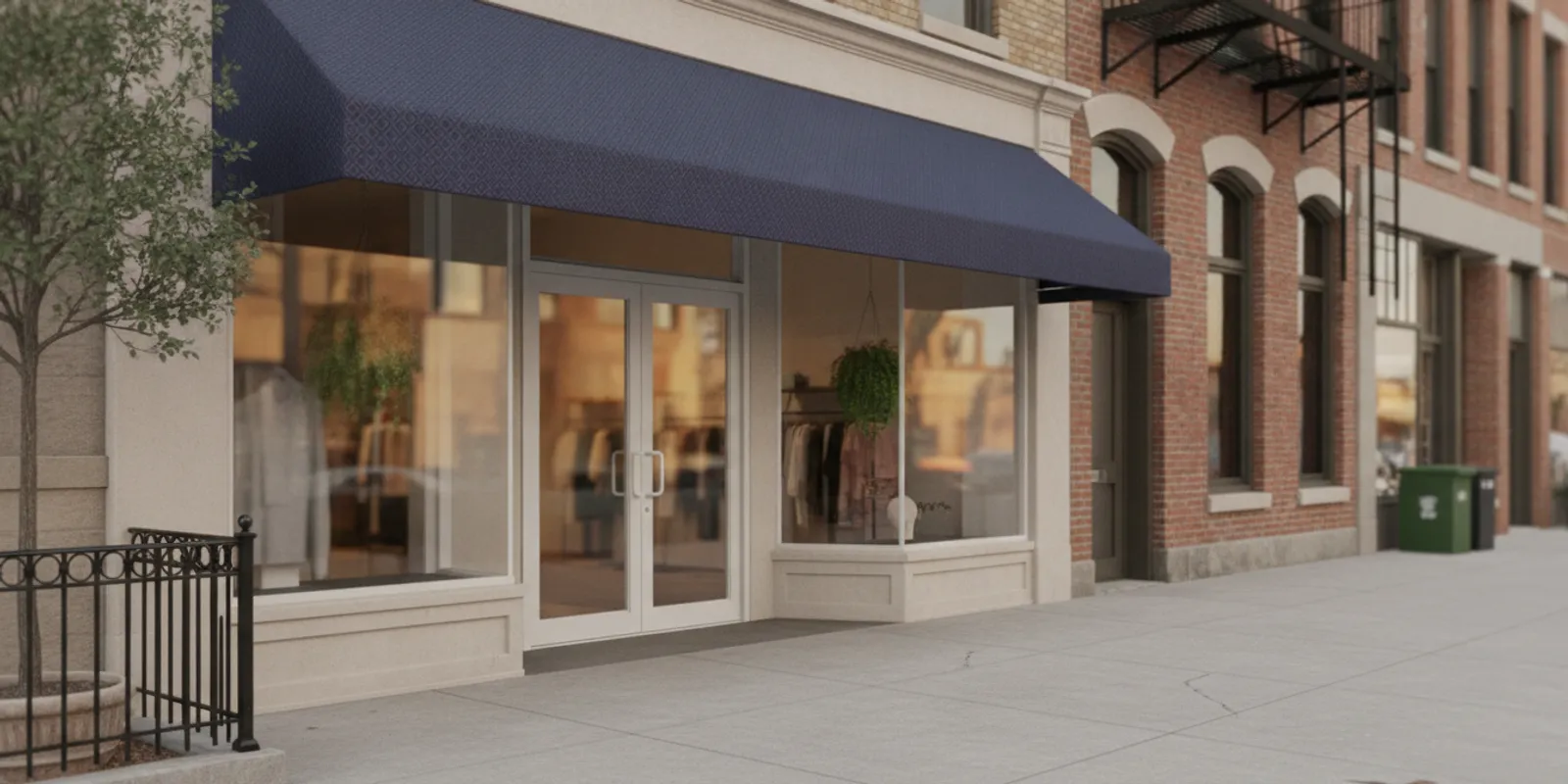
Start with the sign’s location and purpose. Wall signs identify a business on its façade and can use dimensional letters, panels, or illuminated cabinets. Window graphics display logos, hours, and promotions on glass, while awnings combine business identification with shade and weather protection at an entrance.
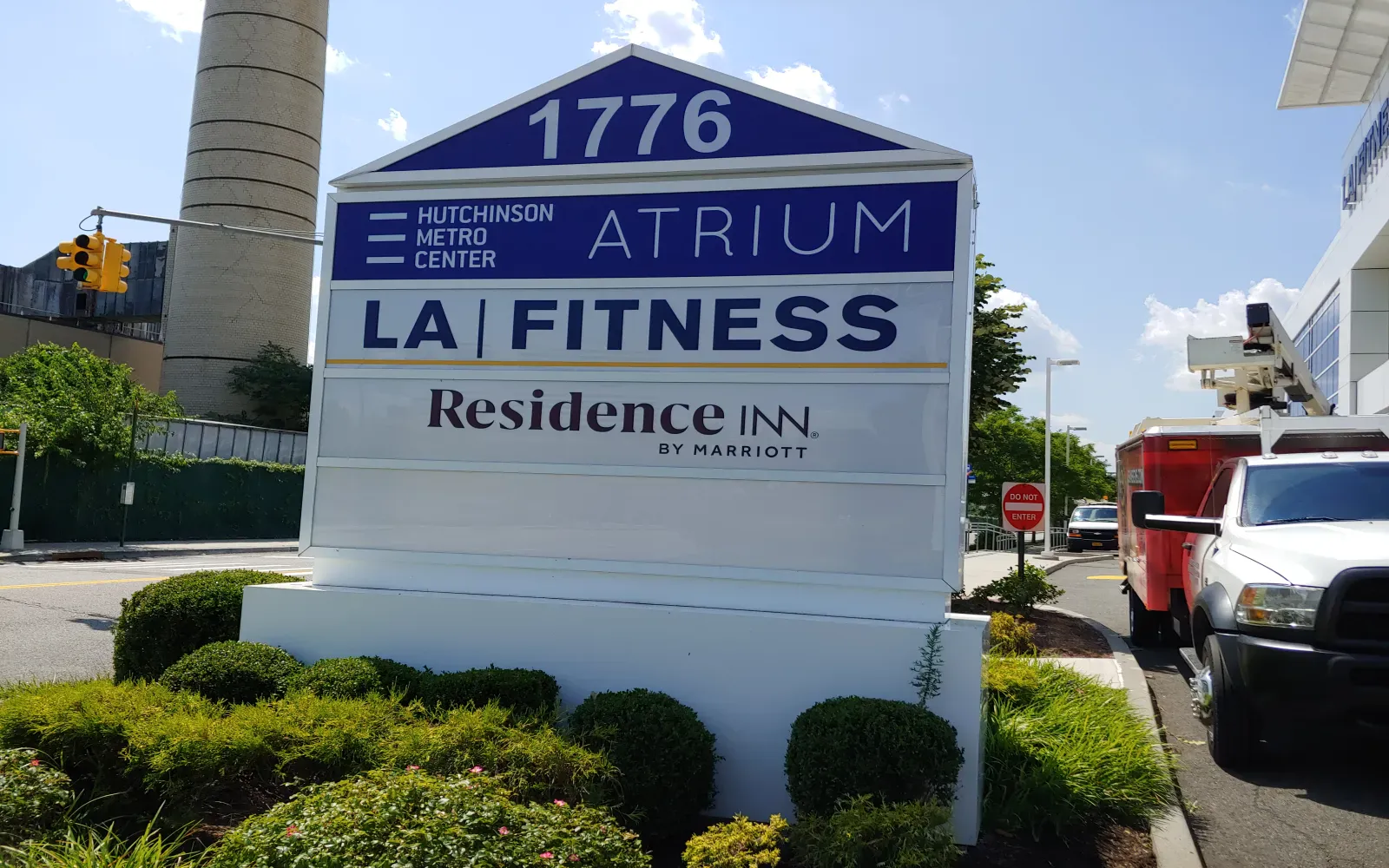
For properties set back from the road, a monument sign can help visitors spot an office, shopping center, school, or multi-tenant property. LED message centers suit organizations that regularly share announcements, such as schools, houses of worship, and community facilities. Consider viewing distance, traffic flow, visibility, and how often the message will change. San Signs & Awnings explains its sign project process, including how site needs, design, and installation planning come together.
Choose Aluminum or Stainless Steel for Durable Exterior Signs
Aluminum is a practical choice for many outdoor sign panels, cabinets, frames, and mounting structures. It is lightweight for its strength, resists rust, and can take painted finishes, printed graphics, vinyl, or dimensional elements. These qualities make it useful for building identification, parking signs, and property directories.
Stainless steel offers a distinctive polished appearance that can suit professional offices, hospitality spaces, and other settings where finish is an important part of the design. The right metal depends on the sign’s size, exposure, mounting conditions, and desired look. Ask how the material, finish, and hardware will hold up at the site, and what care they require. The aluminum material guide from Urban Graphics provides more information about aluminum for exterior applications.
Consider Acrylic or Polycarbonate for Sign Faces and Lighting
Acrylic is often used for illuminated sign faces, dimensional letters, and indoor displays. It comes in a range of colors and opacities, can be cut or routed into custom shapes, and creates a smooth finish. For a backlit sign, the acrylic’s color and light transmission affect how clearly graphics appear after dark.
Polycarbonate is another option for sign faces, particularly when impact resistance is a priority. The best choice depends on the sign’s size, lighting, location, and exposure to damage. Ask how each material performs in the specific application and whether the face can be serviced or replaced if needed. For more on options used in sign fabrication, read BSC Signs’ material overview.
Use Vinyl for Window and Wall Graphics
Vinyl graphics can display branding, hours, directional information, and promotions on windows or interior walls. They make use of existing surfaces, so a business can add messaging without installing a separate sign panel. Depending on the design, window vinyl can be opaque, translucent, or cut into individual letters.
Before choosing a graphic, consider the surface, viewing distance, and how long the message needs to stay in place. A temporary promotion may call for a different vinyl and installation method than permanent storefront lettering. Graphics should also preserve sightlines where needed and comply with property and local requirements. San Signs & Awnings offers window and wall graphics as part of its commercial signage services.
Compare ACM, PVC, and Wood for Appearance, Cost, and Use
Aluminum composite material, or ACM, combines metal faces with a lightweight core. It gives panels and property signs a substantial, finished appearance and can cost less than a fully fabricated metal sign. Rigid PVC has a smooth printing surface, weighs relatively little, and can be fabricated for a range of uses.
Wood brings a natural, warm character that may suit restaurants, boutiques, and buildings with a traditional style. Its performance depends on the wood, finish, and exposure, so ask about maintenance before selecting it for an exterior sign. Compare materials by the look you want, project budget, sign size, mounting method, and expected use. For property applications, Urban Graphics’ ACM guidance explains where composite panels can fit.
Weigh Weather Resistance, Maintenance, and Lifespan
A sign’s lifespan depends on more than its face material. Sun exposure, rain, temperature changes, pollution, installation quality, and routine care all affect its appearance and performance. Aluminum and composite panels are common choices for long-term exterior signs when they are specified and installed for the conditions at the site.
Before choosing, ask what cleaning products are suitable, whether finishes need periodic attention, and how lighting or electrical components can be serviced. Consider the cost and disruption of repairs, especially for signs mounted high on a building or at a busy entrance. A lower-cost material may need more upkeep, while a durable option may suit a permanent installation. San Signs & Awnings’ sign FAQs offer answers to common questions about sign projects and care.
How Do Local Rules and Permits Affect Sign Projects?
Local rules can affect nearly every part of a commercial sign project, from its size and placement to its lighting, materials, and mounting. Requirements vary across New York City and nearby municipalities, so a design approved for one property may not meet the rules at another. Checking requirements early helps businesses avoid redesigns, delays, and unexpected costs. It also gives the sign team time to prepare the right documents and coordinate with property owners or reviewing agencies before fabrication begins.
Check Zoning, Building, and Sign Codes Early
Start by confirming which zoning, building, and sign rules apply to the property. Local requirements may limit a sign’s size, height, location, or illumination. Building rules may also affect its mounting method, structural support, and electrical work.
The requirements can depend on both the property and the sign type. A wall sign, awning, window graphic, and freestanding sign may each be reviewed differently. Check with the local building or zoning department before approving the design or ordering materials. The commercial signage permitting guide from Visual Signs and Graphics explains why requirements vary by jurisdiction. A sign professional familiar with local projects can help identify which questions to ask and what approvals may be needed.
Confirm Rules for Size, Placement, Lighting, and Mounting
Confirm the proposed sign’s dimensions and location before finalizing the design. Local rules may address how far a sign can project from a building, its distance from windows or property lines, and whether it can extend above the roofline. Requirements for illuminated signs may cover brightness, operating hours, or lighting type.
Mounting is another important consideration. The wall or structure must safely support the sign, and some projects may require engineering details or additional review. These requirements can affect the design, materials, hardware, and installation plan. The signage regulations guide from Attention Getters outlines common permitting considerations, including structural safety and aesthetic requirements. Use it as general guidance, then confirm the rules that apply to your specific property.
Prepare Drawings, Measurements, and Application Documents
A permit application may need more than a sketch. Depending on the municipality and project, the submission could include the sign’s dimensions, materials, colors, lighting details, mounting method, and a drawing that shows its position on the building. Site photos and accurate measurements can help reviewers understand how the sign will fit.
Larger or more complex signs may require architectural or structural plans. Ask the local authority which forms and supporting documents it needs before submitting, and make sure the drawings and measurements are consistent. The signage regulations overview from Generis Online notes that applications may require plans illustrating how a sign will be installed. San Signs & Awnings describes its coordinated process, from planning through installation, on its How It Works page.
Check Requirements Across the NYC Area
A project in New York City may follow different procedures from one in Yonkers or another nearby community. Requirements can vary by municipality, and the agency that reviews an application may depend on the property and sign type. Don’t assume that a permit, size limit, or lighting condition for one address will apply to another.
Confirm requirements with the local building, zoning, or permitting office for the specific property. Ask whether the sign needs a permit, which documents to submit, and whether separate electrical or structural reviews apply. The sign-permit guide from Piros Signs explains how permits can address safety and community design concerns. A sign company with experience in the New York City area can help coordinate project details and local review steps.
Review Landmark, Property-Owner, and Multi-Tenant Restrictions
Municipal approval may not be the only sign-off you need. A property owner, landlord, condominium association, or commercial center may set separate rules for sign size, materials, colors, lighting, or installation. Multi-tenant properties may use a shared sign program to keep tenant panels consistent, so confirm the approved layout before preparing artwork.
Landmark status or location in a historic district can bring additional review. Ask the property owner and relevant local offices about restrictions early, and keep written approvals with the project documents. Installing before securing required approvals can lead to delays, redesigns, or removal. The business sign permit guide from Simplify Graphics outlines potential consequences of missing required permits. San Signs & Awnings also answers common planning questions in its FAQs.
Build Review Time Into the Schedule
Permit review can affect when a sign is designed, fabricated, and installed. Processing times vary by location and project complexity. An application may move quickly, while a sign that requires multiple reviews, revisions, or approval for a landmark property may take longer. Ask the relevant agency for current estimates rather than relying on a general timeline.
Plan the project around approvals, not just production and installation dates. Identify submission deadlines, expected review steps, and dependencies such as landlord sign-off or electrical review. Leave time to revise drawings if reviewers request changes. The permit guide from Attention Getters notes that processing can range from days to months, depending on the project and location. Coordinating approvals, fabrication, and site access early helps create a realistic schedule.
What Happens During Commercial Sign Fabrication?
Commercial sign fabrication is the process of turning an approved design into a finished sign that is ready for installation. Depending on the sign, production may involve cutting or shaping materials, printing graphics, applying finishes, assembling components, and adding lighting or mounting hardware. A window graphic, for example, has different production needs than an illuminated wall sign or a multi-tenant monument sign.
Before work begins, the fabricator confirms the approved design, dimensions, materials, colors, finishes, and mounting details. It’s also important to resolve questions about lighting and electrical requirements before production starts. Changes made after materials have been cut or printed can affect the schedule and may require rework.
Site conditions matter, too. Wall construction, installation access, electrical service, and property requirements can affect how a sign is built and prepared for installation. Coordinating these details early helps connect production with the work that will happen on site. San Signs & Awnings describes its project process, from planning and design through fabrication and installation.
Verify Measurements, Site Conditions, and Approved Drawings
Before cutting or printing begins, the fabricator checks that the approved drawings match the project measurements and site information. The team confirms sign dimensions, placement, mounting points, and clearances. If measurements taken at the site differ from the drawings, those differences should be resolved before materials are committed.
A site review can also reveal uneven surfaces, limited equipment access, nearby utilities, or other conditions that affect mounting and installation. For permitted projects, the fabricator should work from the approved design and flag any proposed changes for review. Planning for site conditions, equipment, labor, and safety early can help prevent avoidable delays, as explained in this signage project planning guide.
Select Materials, Finishes, Hardware, and Lighting
Material choices shape a sign’s appearance, weight, durability, and maintenance needs. Aluminum is a common choice for exterior signs because it is lightweight, strong, and resistant to rust. Acrylic can create a smooth sign face, while vinyl is often used for window and wall graphics. The right material depends on the sign design, its location, exposure to weather, and how it will be mounted.
The team also confirms colors, finishes, fasteners, supports, and lighting components. For illuminated signs, materials need to work with the lighting system and produce the intended appearance when lit. Reviewing samples or finish specifications before production helps set clear expectations. This sign fabrication guide explains how common materials differ.
Cut, Shape, Print, and Finish Sign Components
Once the materials and dimensions are confirmed, the shop produces the sign’s individual components. Depending on the design, this may include cutting or routing panels, forming metal parts, printing graphics, applying vinyl, or shaping acrylic. Production files and settings are checked so that text, logos, colors, and proportions match the approved artwork.
The components then receive their specified finishes. The work may include painting, applying protective coatings, trimming printed graphics, or smoothing edges. These steps help the sign look consistent and prepare it for assembly and its intended environment. Acrylic, for example, can be cut, routed, and formed into different shapes, as described in this overview of sign materials.
Assemble the Sign and Add Electrical Components as Needed
After the components are ready, the fabricator assembles them to match the approved design. This may involve joining panels, attaching dimensional letters, fitting a face into a sign cabinet, or adding brackets and mounting hardware. The assembly method should suit the sign’s size, weight, location, and installation plan.
If the sign is illuminated, the shop adds the required lighting components, wiring, and access points. Electrical work should be completed by qualified professionals, using components suited to the sign and its intended location. Before delivery, the team can test the lighting and check that connections and access panels are in place. The installation plan should account for the building’s electrical conditions and site requirements. San Signs & Awnings produces a range of retail and commercial signs, including illuminated options.
Inspect Workmanship, Dimensions, and Compliance Before Delivery
A final quality check gives the team a chance to catch issues before the sign leaves the shop. The fabricator can compare dimensions, colors, graphics, finishes, hardware, and lighting with the approved drawings and specifications. They should also confirm that the sign is complete, clean, and protected for transport.
For permitted projects, the finished sign should reflect the approved design. Any changes that affect the approved plans may need review by the relevant authority or property owner. A shop inspection does not replace required permits or on-site inspections, so keep project documents available for the installation team. San Signs & Awnings answers common questions about planning and sign projects in its FAQs.
How Can Businesses Install Signs Safely and Effectively?
A successful sign installation starts with careful planning. Before the crew arrives, confirm the sign’s location, mounting conditions, required approvals, site access, and installation schedule. These details help protect people and property while ensuring the finished sign looks and works as intended.
Requirements depend on the sign and the property. A window graphic, illuminated wall sign, and freestanding monument sign each call for different preparations. For New York City-area projects, working with a sign company that coordinates design, permits, fabrication, and installation can help keep the work aligned with approved plans. San Signs & Awnings outlines its project process, from early planning through installation.
Confirm Placement, Measurements, and Mounting Conditions
Before installation, compare the planned location with the approved drawings and verify measurements on site. Check the sign’s relationship to doors, windows, walkways, landscaping, lighting, and views from the street. If the proposed position has changed, resolve it before mounting begins. Even a small adjustment can affect visibility or conflict with a building feature.
Inspect the mounting surface and confirm what supports the sign. Brick, concrete, glass, and metal panels may call for different fasteners and installation methods. Make sure the wall or structure can support the sign’s size and weight, particularly for large or projecting signs. This sign installation guidance explains how poor placement or mounting can affect safety, visibility, and appearance.
Plan for Site Access, Equipment, Weather, and Safety
Confirm how the crew and equipment will reach the installation area. A project may require a lift, scaffolding, a loading space, or access through a tenant’s premises. If work affects a sidewalk, street, entrance, or parking area, check whether additional permissions or temporary traffic measures are needed. In busy commercial areas, schedule deliveries and equipment setup around customer traffic and building operations.
Discuss weather conditions and the safety measures required for the site, especially for exterior work involving lifts or electrical components. Ask what the business needs to do before installation, such as clearing an area or notifying tenants. Careful installation planning helps crews position signs securely and complete work with fewer disruptions.
Coordinate With Property Owners, Contractors, and Business Staff
Share the installation plan with everyone who may be affected. Tenants may need written permission from a property owner, while developers may need to coordinate with a general contractor, electrician, or other trades. Provide the approved drawings, installation date, access plan, and any instructions for protecting nearby finishes or keeping entrances clear.
For a multi-tenant property, confirm who approves the sign’s size, location, colors, and mounting method. Let staff know about temporary changes to entrances, parking, or customer routes. Clear responsibilities help prevent delays and last-minute decisions. A sign company that handles permitting and site coordination can help keep owners, contractors, and business teams working from the same plan, as described in this signage construction guide.
Verify Electrical Connections and Installation Requirements
Illuminated signs and LED message centers need appropriate electrical connections and access for future servicing. Before installation, confirm who is responsible for electrical work, where the power source is, and whether wiring or conduit needs to be installed in advance. Have electrical work completed by qualified professionals according to applicable requirements.
Check that the sign, wiring, and installation match the approved plans and local rules. Requirements can vary by municipality, zoning district, property, and sign type, so verify them for the specific location. This commercial sign permit guide explains why requirements differ between jurisdictions. For project-specific questions, consult your sign company and review San Signs & Awnings’ frequently asked questions.
Test Visibility, Lighting, Stability, and Operation
After installation, view the sign from the places where customers, visitors, or tenants will encounter it, such as the sidewalk, parking area, street, or building entrance. Check that the sign is level, easy to read, and not blocked by trees, awnings, or other features. For illuminated signs, inspect the lighting both during the day and after dark to spot glare or uneven brightness.
Confirm that the sign feels secure and that all components work as expected. For a digital display, check that content appears correctly and controls respond as intended. Ask the installer to address loose hardware, damaged finishes, exposed wiring, or other concerns before approving the completed work. A careful quality check helps protect the sign’s appearance and the experience it provides, as noted in this sign installation overview.
Avoid Mistakes: Get Approvals and Check Site Conditions
Do not schedule installation until required approvals are confirmed and the site is ready. Depending on the property, approval may be needed from a local authority, landlord, building manager, or design review committee. Check that approved dimensions, placement, lighting, and mounting details match the sign and the conditions on site.
Changes to the sign or its location may require revised drawings or another review. Installing without required permits can also lead to delays, penalties, failed inspections, or removal. Ask your sign company which approvals apply, who will obtain them, and what documents should be available on installation day. This business sign permit guide outlines common risks of beginning work before approvals are in place.
How Can Businesses Choose the Right Sign Company?
Choosing a sign company involves more than finding someone who can make a sign. You need a partner who understands your goals, the building where the sign will go, and the steps required to take the project from an idea to installation. The right company can help you make informed decisions about design, materials, approvals, and timing.
Start by asking how the company manages projects and who will be your main contact. Find out whether it can handle the services you need, from design and permitting support through fabrication and installation, or whether you’ll need to coordinate multiple vendors. A clear process matters when a project involves a busy storefront, several tenants, ongoing construction, or a narrow installation window.
For businesses in the New York City area, local requirements deserve early attention. Rules can vary by municipality, property, and sign type, so ask how the company checks applicable codes and coordinates with property owners and project partners. San Signs & Awnings outlines its project process, which can help you identify questions to ask when comparing providers.
Before committing, request examples of similar work, a written scope, and a schedule that accounts for reviews, approvals, production, and site access. Use the questions below to assess whether a company is prepared to manage the details of your project.
Look for Commercial Sign Experience and Local Code Knowledge
Ask whether the company has completed projects similar to yours in sign type, building style, and setting. A provider experienced with retail storefronts may have different strengths from one that mainly installs interior office signs. Request examples and ask what challenges came up, such as limited mounting space, visibility from the street, or coordination with other tenants.
Local code knowledge matters, too. Ask how the company checks requirements for sign size, placement, lighting, and mounting, and whether it can help prepare permit materials. Requirements can differ across the NYC area, so don’t assume approval for one location will apply to another. Review the company’s commercial signage services to see whether its experience matches your needs, whether you’re planning a storefront sign, window graphics, or signage for a larger property.
Confirm Who Handles Design, Permits, Fabrication, and Installation
Before work begins, clarify who is responsible for each stage. Some sign companies manage design, permitting support, fabrication, and installation; others rely on outside vendors for part of the process. Either approach can work, but you should know who to contact, who approves decisions, and who is accountable if a handoff causes a delay.
Ask for a written scope that lists deliverables, responsibilities, estimated timing, and anything you or the property owner need to provide. Confirm who submits applications, supplies drawings, arranges building access, and coordinates with electricians or contractors. San Signs & Awnings describes how its team guides projects from planning through installation in its How It Works overview. Use that level of detail to compare proposals on more than price alone.
Ask About Materials, Workmanship, Safety, and Communication
Ask which materials the company recommends and why. Aluminum, acrylic, vinyl, and other options differ in appearance, durability, maintenance needs, and suitability for indoor or outdoor use. A reliable provider should explain those trade-offs clearly and connect its recommendations to your location, design, and budget.
Ask how the company checks workmanship and plans for installation safety. Find out what the proposal includes, how the team will protect the site, and whether electrical work requires additional coordination. Agree on how often you’ll receive updates and whom to contact with questions. Clear communication helps when a project involves multiple decision-makers or your business needs to remain open during installation. San Signs & Awnings’ FAQs offer a helpful starting point for questions about services and project details.
Review the Company’s Process for Approvals, Site Coordination, and Support
A solid installation plan covers more than the day the sign goes up. Ask how the company confirms measurements, mounting conditions, access needs, equipment, and site restrictions before the crew arrives. If the property has a landlord or several tenants, confirm who will secure approvals and coordinate schedules with everyone involved.
Ask what happens if site conditions differ from the approved drawings, or if weather, permitting, or construction affects the schedule. Clarify how changes are documented and approved, and whether the company can answer questions about operation or maintenance after installation. These details help prevent surprises and keep responsibilities clear. A provider that can explain its approval and coordination steps makes it easier to plan, especially when a project depends on property-owner consent or municipal review.
How Can Businesses Keep Signs Effective Over Time?
A sign needs regular care to stay readable, presentable, and useful. Add inspections and maintenance to your facilities plan, especially for exterior signs exposed to weather, traffic, and everyday wear.
Clean Signs and Schedule Routine Inspections
Dirt, pollen, road salt, and debris can make a sign harder to read and less welcoming. Set a cleaning schedule based on the sign’s location and materials, and follow the manufacturer’s care instructions. Use appropriate products and tools to avoid scratching surfaces, loosening graphics, or damaging electrical components.
During inspections, look for fading, loose fasteners, cracked panels, peeling vinyl, water intrusion, and anything that blocks visibility, such as new landscaping. Check signs after severe weather and at seasonal transitions. Keep a simple log with dates, photos, and notes to track gradual changes and plan maintenance. Regular cleaning and inspections can help catch problems early, as outlined in this commercial signage maintenance guide.
Fix Wear, Lighting Issues, and Damage Promptly
Take care of small issues before they affect the sign’s appearance or function. A loose panel, missing letter, or torn awning can make a business look neglected. For illuminated signs, check for dark sections, flickering, uneven brightness, or signs of water near electrical components. If you suspect an electrical problem, turn off the sign if it is safe to do so and contact a qualified professional.
After damage from wind, impact, or another cause, arrange an assessment to find out whether the sign can be repaired or needs replacement. Prompt attention may prevent further deterioration and restore clear visibility. Post-installation checks and timely repairs help protect the customer experience, as noted in this article about common sign installation challenges.
Plan Repairs, Replacements, and Future Updates
Include signs in your facilities or property maintenance plan. Keep records of materials, lighting, installation details, warranties, and previous repairs. This information helps a sign professional assess the work and recommend compatible parts or materials. If repairs become frequent, the sign is difficult to read, or your brand has changed, compare the cost and expected lifespan of repair with replacement.
Plan for changes to the property, too. A new tenant, storefront renovation, or updated wayfinding route may call for revised graphics or a different sign location. Before changing an exterior sign, check current permit, property-owner, and building requirements. Rules vary by location, so confirm them early. San Signs & Awnings can guide businesses through its sign project process, from design and permitting through fabrication and installation.
Consider Energy Efficiency and Maintenance When Choosing Lighting or Digital Features
Lighting and digital features can make signs easier to see after dark and help businesses share timely information, but they bring additional maintenance needs. When choosing illuminated signage, ask about energy use, expected component life, servicing access, and replacement-part availability. Efficient lighting can reduce electricity use, while durable components and accessible hardware can make routine service simpler.
For an LED message center, plan who will update the content and how often. Choose a display suited to its viewing distance and purpose, and confirm that brightness and operating schedules fit the site and local requirements. Ask your sign company about routine care and repair options before selecting a system. San Signs & Awnings works with businesses on retail and commercial signage, including illuminated options tailored to the property.
Frequently Asked Questions
What are the main steps in a commercial sign project? Most projects move from planning and site review to design approval, permits, fabrication, and installation. Confirm who is responsible for each step, what approvals are needed, and when the property will be available for installation.
Do commercial signs need permits in the New York City area? Some do, but requirements depend on the municipality, property, and sign type. Check with the relevant local office and property owner before production begins. San Signs & Awnings can help coordinate design and permitting as part of its project process.
How do I choose the right type of sign for my business? Start with what the sign needs to communicate and where people will see it. Storefronts may benefit from wall signs or window graphics, while businesses on larger properties may need monument or directory signs. Consider visibility, viewing distance, lighting, and site conditions.
What should I confirm before approving a sign design? Review the wording, dimensions, colors, materials, lighting, and proposed placement. Make sure the design fits the building, remains readable from the intended viewing distance, and meets applicable property and local requirements.
How can I keep a commercial sign in good condition? Clean it according to the material’s care instructions and inspect it regularly for fading, loose parts, damaged graphics, or lighting issues. Address problems promptly, and keep records of repairs and sign specifications for future service.