Commercial Sign Permits and Code Requirements: A Guide

A sign project often brings together business owners, landlords, designers, contractors, and local officials. Each may have a different part to play before the sign goes up. Understanding commercial sign permits and code requirements early helps everyone work from the same plan, especially when a project includes lighting, sidewalk projection, structural supports, or a historic property. Requirements vary by municipality and site, so a neighbor’s sign is not a reliable guide to what your property can have. This article explains the approvals that may apply, the details reviewers commonly request, and how to coordinate design, permits, fabrication, and installation for a smoother project from start to finish.
Key Takeaways
- Verify rules for the specific site:
Requirements depend on the municipality, zoning district, sign design, and property guidelines.
- Identify every approval early:
Check whether your project needs sign, building, electrical, accessibility, historic-district, or landlord approval.
- Prepare before fabrication:
Submit accurate plans, allow time for review and inspections, and coordinate design, permits, and installation with an experienced sign professional.
What Do Commercial Sign Permits and Codes Cover?
Commercial sign permits and codes set the conditions for installing or changing a sign at a particular property. They may address its size, placement, construction, attachment, lighting, and visibility from public spaces. Requirements vary by municipality, zoning district, and property, so check the rules before approving a design or scheduling installation.
What permits approve and why they matter
A sign permit is formal approval from a local authority for a proposed sign at a specific location. Reviewers may check the design against local ordinances, zoning rules, building codes, and safety standards. As Permit Place’s guide to commercial sign permits explains, these rules help communities manage commercial areas while protecting the public.
Approval is usually tied to the sign details submitted with the application. Changing its dimensions, placement, or lighting may require a new review or an amended permit. Confirming requirements early can help avoid redesigns, delays, fines, or removal orders. San Signs & Awnings’ project process includes permit coordination, helping businesses plan the steps from design through installation.
How permits connect to zoning, building, electrical, and landmark approvals
A sign project may involve several types of review. Zoning rules can determine where a sign is allowed, its size, and how far it may project from a building. Building officials may assess its structure and attachment, while illuminated signs may need electrical review or inspection.
Some sites require additional approval. Properties in historic districts may need review by a preservation authority, and landlords or property managers may have their own approval process. These permissions are separate from municipal permits, so confirm who must review the project before work begins. JDJ Consulting’s overview of municipal approvals describes how building and planning departments may be involved alongside other relevant authorities.
How codes protect public safety, accessibility, and property standards
Codes help ensure that signs are securely mounted, made with suitable materials, and positioned with appropriate clearance from sidewalks and other public areas. Electrical requirements and inspections can help address risks related to wiring and illuminated components. These considerations apply to signs installed above pedestrian routes as well as freestanding structures.
Accessibility rules may affect lettering, contrast, placement, and wayfinding, depending on a sign’s purpose and location. Signs should be legible and should not obstruct accessible routes. Local standards may also guide lighting, placement, and design to support the character of a commercial district. Since requirements depend on the site and sign type, check with the relevant local departments and review San Signs & Awnings’ frequently asked questions as you plan.
Which Commercial Signs Need Permits?
Permit requirements depend on the sign’s type, size, location, and installation. In the New York City area, a sign that seems simple may still need approval because it is illuminated, attached to a building, or visible from a public space. Check local rules and property requirements before fabrication begins. That gives you time to adjust the design or plans if reviewers request changes.
Wall, projecting, monument, pylon, and multi-tenant signs
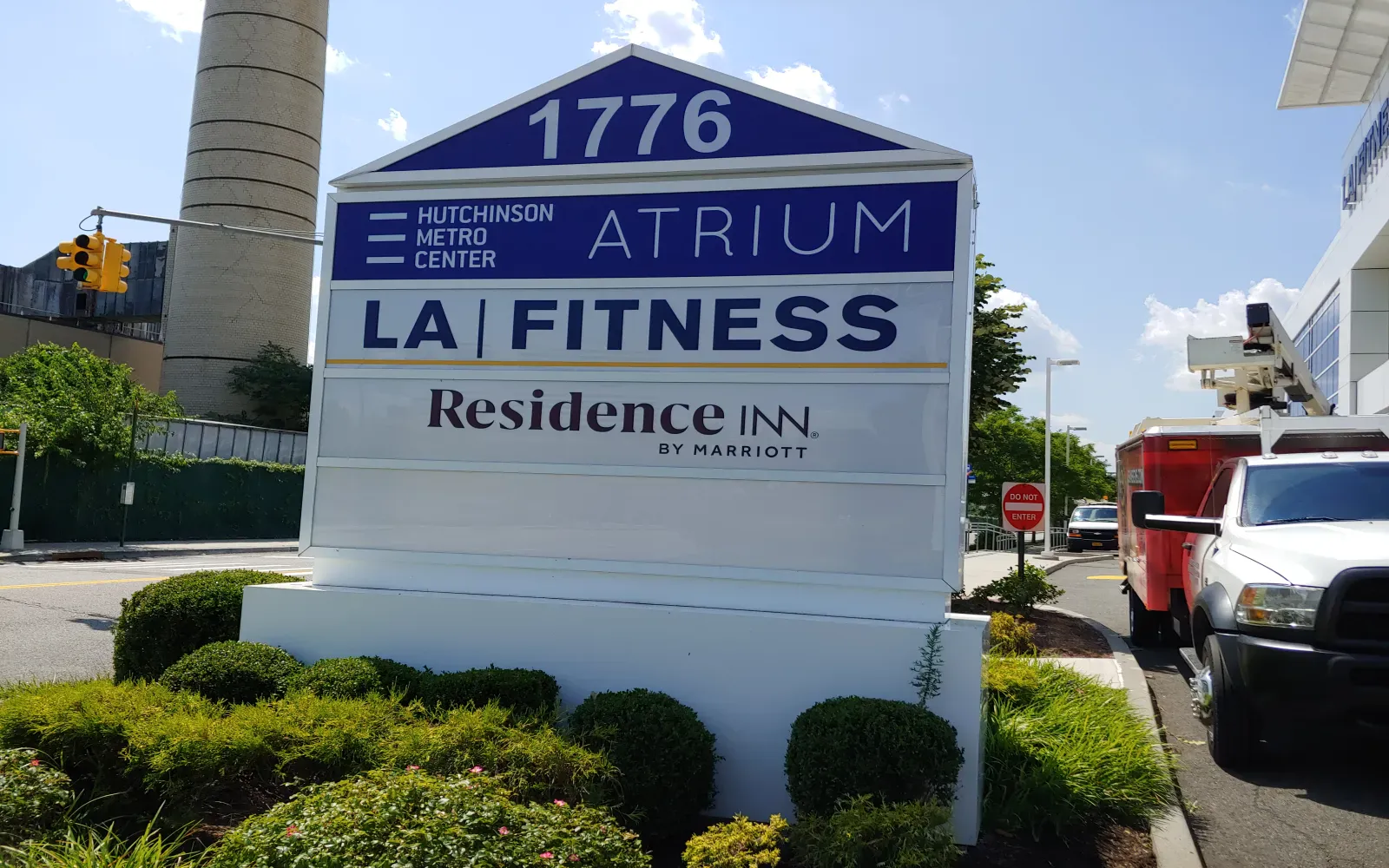
Permanent signs attached to a building or installed on a property often require permits. This may include wall signs, projecting signs, monument signs, tall pylon signs, and multi-tenant signs that identify several businesses or occupants. Local rules can set limits on dimensions, height, placement, and how a sign is supported.
The sign’s location matters, too. A projecting sign may need to provide enough clearance above a sidewalk, while a ground sign may need to meet zoning or property-line requirements. Many municipalities require permits for permanent signs, whether or not they are illuminated, but rules vary by location. Check with the local building or sign department before ordering. A sign professional can help coordinate planning, permits, fabrication, and installation from the start.
Illuminated signs, LED message centers, and electrical components
Illuminated signs and LED message centers may require sign approval as well as review of their electrical components. Officials may check the power source, wiring, mounting, and whether the lighting meets local requirements. Digital displays may also be subject to rules for brightness, animation, or operating hours.
Bring electrical details into the planning process early, especially if the project includes new wiring or changes to an existing sign. The review may cover zoning, dimensions, electrical work, and safety, as described in this commercial sign permit guide. Ask the local department whether an inspection is required after installation. The installed sign should match the approved plans, including its lighting and electrical specifications.
Awnings, banners, temporary signs, and window graphics
Awnings may need permits because they attach to a building and can extend over a sidewalk or other public space. Local rules may cover projection, materials, placement, and lettering or lighting. Banners and temporary signs can also require approval, even when they will be displayed for only a short time. Some municipalities limit how long temporary signs may remain in place.
Window graphics may be regulated when they cover a large portion of the glass or face a public street. Before ordering graphics, confirm whether the design, coverage, and display period are allowed. If officials request changes or a permit is still pending, fabrication or installation may need to wait. Reviewing requirements early can help prevent those delays, as noted in this overview of the municipal approval stage.
Interior signs visible outside—and possible exceptions
An indoor sign may still fall under local rules if it is visible from outside. A large graphic behind a storefront window or an illuminated display facing the street, for example, may be treated differently from a small interior sign. Requirements can depend on the sign’s size, lighting, window coverage, and location.
Some signs may qualify for permit exemptions, but exceptions vary by municipality and may come with conditions. A sign that is exempt in one area might need approval elsewhere. Landlords and property managers may also set their own standards. Check local requirements and lease terms before installation, and confirm any exemption with the relevant department. Rules can cover size, placement, lighting, attachment, and electrical work, so don’t assume a sign is exempt based on appearance alone. Local codes and property rules can differ even for similar signs.
How sign type, size, location, and installation affect approval
Permit reviewers may consider more than the sign category. They can assess its dimensions, height, projection, placement, materials, lighting, and attachment method. The property’s zoning district, historic status, sidewalk conditions, and existing signs may also affect what is allowed. Structural supports and electrical connections can add further review.
Prepare accurate plans with the proposed sign’s dimensions, location, materials, mounting details, and lighting specifications. Check both municipal rules and property requirements before submitting an application. A design that fits the site from the outset is less likely to need changes during review. San Signs & Awnings provides commercial signage services that include design and code-compliance support, helping businesses address project details before fabrication.
How Do Sign Permit Rules Vary by Location?
A sign that meets requirements on one block may need changes just a few streets away. Rules can vary by municipality, zoning district, building, and lease. Before finalizing a design, check the requirements for the specific property and sign type. This matters across the New York City area, where projects may involve different local departments and review processes.
Municipal codes, zoning districts, and property-specific rules
Cities and towns set their own sign requirements, so applications, review steps, and timelines can differ, even between neighboring municipalities. Rules may also change from one zoning district to another within the same city. A commercial corridor, residential area, and historic district may each have different standards.
The property can add another layer. A landlord, property manager, or shopping center may set requirements for materials, colors, dimensions, or sign locations, even when local codes allow more options. Check both public regulations and private property guidelines before settling on a design. BLR Visual Communications’ permit guide explains why requirements can differ between municipalities.
Limits on sign size, number, height, projection, and placement
Local codes may limit a sign’s area, height, projection from a building, and distance from streets or neighboring properties. They may also restrict the number of signs a business can display or where signs can appear on a façade. These limits can differ for wall, projecting, freestanding, and multi-tenant signs.
Measure the proposed sign and confirm its location before fabrication. A design may fit the available wall space but still exceed a size limit or extend too far over a sidewalk. Mounting methods and structural attachment can also affect approval. As EconoLine Signs notes in its permit guide, even a straightforward sign can raise questions about dimensions, placement, lighting, and installation.
Extra review for historic districts, public spaces, and special areas
A property in a historic district or another designated area may need additional review before a sign permit is approved. Reviewers may consider the sign’s materials, colors, lighting, attachment method, and fit with the building or surrounding streetscape. Signs near public spaces may also need to preserve pedestrian access and visibility.
Ask whether the property falls within a special district before approving a design or schedule. Additional review can affect which styles and materials are acceptable, as well as how long approval takes. The commercial signage permit guide from EB3 Construction describes why location-specific requirements matter during project planning. Confirming these details early can help prevent design changes after plans are submitted.
Rules for lighting, brightness, operating hours, and digital displays
Illuminated signs may require electrical review, and some municipalities set limits on brightness, lighting direction, or operating hours. Digital displays and LED message centers may face additional rules for animation, message changes, or placement near roads and homes. Requirements depend on the sign’s location and surrounding land uses.
Share lighting and display details early, including the illumination method, brightness settings, and proposed operating schedule. Clear information helps reviewers assess the installation and identify necessary changes before fabrication. Do not assume that only illuminated signs need approval. Permit requirements may apply to temporary or permanent signs whether or not they use lighting, so check the rules for the exact sign and property.
Why past approvals or a neighbor’s sign don’t guarantee compliance
A nearby sign may have been approved under different rules, for another property, or as part of an earlier project. Codes and property requirements can change, and buildings on the same block may fall under different zoning or ownership conditions. Approval for one sign also may not cover a replacement, a new tenant, or a different installation.
Confirm current requirements for your address and proposed sign before ordering materials. Keep copies of approvals and property guidelines, and ask the relevant department or property manager to clarify anything uncertain. San Signs & Awnings helps clients coordinate design, permitting, and installation through its sign project process.
Which Safety and Accessibility Codes Apply to Commercial Signs?
Commercial signs must be designed and installed with safety, accessibility, and local code requirements in mind. Depending on the sign and its location, reviews may involve building, electrical, fire-safety, accessibility, and municipal sign regulations. A wall-mounted sign, illuminated awning, freestanding monument sign, and interior wayfinding sign can each raise different questions.
For businesses in the New York City area, requirements may vary by municipality, property, and project. A sign could need structural review, electrical approval, or permission from a landlord or property manager. Accessibility rules also depend on the sign’s purpose and setting, so confirm whether tactile lettering, specific placement, or other features are required before approving the design.
Address these details before fabrication begins. Changes to mounting, wiring, or placement can affect both approvals and installation plans. San Signs & Awnings’ project process includes planning and coordination to help businesses account for permit and installation requirements.
Ensure structural stability, wind resistance, secure mounting, and pedestrian clearance
A sign needs to be suitable for the conditions at its installation site. Freestanding signs may require structural plans or wind-load review. Wall signs need secure attachment to an appropriate surface. Size, weight, materials, mounting method, and exposure to wind can all affect what information a municipality requests. Ask the local building or sign-permit department which documents it requires, and have a qualified sign professional help prepare them.
Placement matters as much as construction. Projecting signs and awnings must comply with local rules for clearance above sidewalks and other pedestrian areas. They should not obstruct walkways or create hazards for people entering or passing the building. Signage permit guidance from BLR Visual Communications identifies structural checks and pedestrian clearance as potential review considerations. Confirm the rules for your jurisdiction before installation.
Meet electrical requirements and arrange inspections and safe installation
Illuminated signs, LED message centers, and signs with other electrical components may require electrical permits, inspections, or work by a licensed electrician. Requirements can address wiring, connections, power supplies, access for maintenance, and safe installation. Contact the local building or electrical department to confirm which approvals apply and whether an inspection is required before the sign is turned on.
Build permit and inspection steps into the project schedule. Electrical work and sign installation may involve separate approvals, and the inspection sequence can affect when the sign is ready to use. The commercial sign permit overview from EB3 Construction explains how permit reviews relate to local ordinances, building codes, and safety standards. Your sign professional can help coordinate the work and clarify which inspections apply to your project.
Use accessible lettering, contrast, placement, and wayfinding
Accessibility requirements depend on a sign’s purpose and location. In certain settings, permanent room-identification or directional signs may need tactile lettering, Braille, visual contrast, or specific mounting locations. Promotional signs and logos may be subject to different requirements. Check the applicable standards for the building and sign type before approving artwork or production details.
Placement also affects how easily visitors can find entrances, services, and accessible routes. Keep wayfinding information readable and position signs where people can see and use them without blocking circulation. The 2010 ADA Standards for Accessible Design explain sign requirements for covered facilities. State and local rules may also apply, so confirm the requirements with the relevant building department or an accessibility professional.
Maintain and repair signs as required
Keep signs in safe working condition after installation. Check periodically for loose fasteners, damaged supports, exposed wiring, flickering lights, cracked panels, or sharp edges. Give extra attention to signs over walkways and signs attached to building façades, where a loose or damaged component could create a hazard. Arrange repairs promptly, and use qualified professionals for work involving structural supports or electrical components.
Before relocating a sign or changing its size, construction, or lighting, ask the local authority whether new approval is needed. Keep permits, approved drawings, and inspection records with your property documents. San Signs & Awnings’ FAQs address common project questions, while local officials can confirm requirements for a specific property. A regular inspection and repair routine helps keep signs safe, legible, and in good condition.
How Can Businesses Check Requirements Before Installation?
Before ordering a commercial sign, confirm which approvals apply to the property, the sign design, and the installation. Requirements can differ across New York City and nearby municipalities, and they may depend on the sign’s size, placement, lighting, and attachment method. A few checks before fabrication can help prevent avoidable revisions and keep the project moving.
Contact local building, planning, zoning, or sign-permit departments
Ask the municipality where the sign will be installed which departments review sign applications and what permits or inspections may apply. Depending on the property and design, you may need to contact building, planning, zoning, electrical, or landmark offices. Rules can differ between municipalities, so confirm with the authority responsible for the specific address.
When you make an inquiry, share the sign’s proposed location, dimensions, lighting, and mounting method. These details help staff point you toward the right requirements. Request the application instructions and applicable code information, and ask whether separate permits or inspections are needed. This overview of signage permits explains why businesses should verify requirements with their local authority.
Confirm landlord, property-manager, and agency approvals
Municipal approval may not be the only permission required. If your business leases its space, review the lease and ask the landlord or property manager about sign criteria, approved locations, materials, colors, lighting, and installation methods. Shopping centers and multi-tenant properties may have their own standards, even when a proposed sign meets local code.
Some projects may also require review by a condominium board, business improvement district, or historic-preservation body. Identify these contacts early and ask whether they need to approve the design before permit applications are submitted. Keep written records of approvals and requested changes. This commercial sign permit guide describes why landlord approval can be part of the process for leased properties.
Prepare accurate plans and details for dimensions, materials, mounting, and lighting
Permit reviewers need clear information about the sign and where it will go. Prepare exact dimensions, materials, colors, and placement details. Include drawings that show how the sign will attach to the building or site, with specifications for supports, brackets, wiring, and illumination. Freestanding signs may also require a site plan showing the sign’s position in relation to the property.
Use current measurements from the actual site rather than estimates or outdated plans. Missing details can lead to questions, revisions, or a new submission. The permit guide from Simplify Graphics notes that incomplete site plans and inaccurate dimensions can hold up review. Ask your sign professional which drawings and specifications the relevant departments are likely to request.
Check application documents, review timelines, revisions, and inspections
Before submitting an application, check each department’s document list. You may need property-owner authorization, site plans, technical drawings, contractor information, or electrical details. Ask whether applications must be filed in a particular order and whether separate permits cover the sign structure and electrical work.
Find out what fees apply, how long reviews typically take, and how the department will share comments or revision requests. Ask whether an inspection is required after installation and who must schedule it. Allow time for review and possible corrections before setting an installation date. Incomplete applications can delay approval, as described in this guide to commercial signage permits.
Understand the risks of unpermitted signs, including fines, delays, and removal
Installing a sign before confirming its requirements can lead to extra costs and schedule changes. If authorities determine that a permit was required, you may need to stop work, submit an application, pay penalties, or modify the sign. In some cases, the sign may have to be removed. A nearby sign that looks similar does not guarantee that your proposal will receive the same approval, since location, dimensions, and installation details matter.
Keep permit documents and written approvals on file, and wait for required approvals before fabrication or installation. If a sign is already in place, contact the relevant department to ask how to address it. This signage permit overview outlines possible consequences of installing a sign without a required permit.
Coordinate permits, fabrication, and installation with an experienced sign professional
An experienced sign professional can help connect your design with the requirements for the property. Ask whether the company can prepare permit-ready drawings, identify likely approvals, coordinate submissions, and manage fabrication and installation after approval. Clarify who will communicate with municipal departments and property managers, and who will arrange any required inspections.
Keep the process coordinated if the design changes. Adjustments to dimensions, lighting, materials, or mounting may require updated drawings or another review. San Signs & Awnings provides design, permitting, code-compliance support, fabrication, and installation for commercial signs and awnings. Its project process describes how the team supports clients from planning through installation. Share your property details, lease requirements, and sign goals early so the team can identify questions to resolve before work begins.
Frequently Asked Questions
Do I need a permit to replace an existing commercial sign? Possibly. A replacement may need approval if it changes the sign’s size, location, lighting, materials, or mounting. Check with the local building or sign-permit department before ordering the new sign, and confirm whether your existing approval still applies.
How long does it take to get a commercial sign permit in the New York City area? Review times vary by municipality, sign type, property, and application details. Historic-district review, electrical approvals, or requested revisions can add time. Ask each reviewing department about its process, and allow for review before scheduling fabrication or installation.
Can my landlord approve a sign instead of the municipality? No. Landlord or property-manager approval and municipal permits are separate requirements. Check your lease and property sign guidelines, then confirm with the relevant local departments which public approvals apply.
Can I install a sign while my permit application is under review? It’s safer to wait until required approvals are granted. Installing early may lead to work stoppages, added costs, changes, or removal. Ask the reviewing department whether any work can begin before final approval.
Who can help coordinate sign design, permits, and installation? A commercial sign company can help prepare plans, identify likely approvals, coordinate with property managers and local departments, and plan fabrication and installation. San Signs & Awnings supports projects from planning through installation; confirm the specific permit and inspection responsibilities with your sign provider.