Sign Permit Assistance: Avoid Delays and Costly Mistakes

Updated: 2 days ago
A permit question can quickly become a project question: Which agency reviews this sign? What documents should we submit? Can fabrication begin while an application is under review? The answers depend on the property and the proposed sign, so it helps to check requirements early. Sign permit assistance can help businesses, developers, and property managers organize those questions and understand the next steps. In the New York City area, requirements can vary between municipalities and even between sites. This article covers common approvals, the information agencies may request, and practical ways to coordinate permit review with sign design, fabrication, and installation.
Key Takeaways
- Confirm rules for the specific address:
Requirements can vary by municipality, property, and sign type. Check which agencies and approvals apply before finalizing the design.
- Prepare clear project information:
Share site photos, sign dimensions, materials, lighting details, landlord requirements, and deadlines to help identify potential reviews and organize application documents.
- Keep permitting connected to the project schedule:
Track agency requests, fees, revisions, and approval conditions, and confirm required permits before fabrication or installation. San Signs & Awnings can coordinate permitting with design, fabrication, and installation.
What Is Sign Permit Assistance, and Why Does It Matter?
Sign permit assistance helps you determine which approvals a sign may need, gather application materials, and communicate with the agencies reviewing the project. Requirements can vary by municipality, property, and sign type, so it’s helpful to consider permitting before finalizing a design or setting an installation date. Early planning can also help your signage provider coordinate approvals with design, fabrication, and installation.
Check local rules before designing or installing a sign
Sign rules may cover a sign’s dimensions, height, placement, materials, lighting, and how it attaches to a building. They can also vary by municipality and zoning district, so don’t assume that requirements for one property apply to another.
Start by confirming the property address and identifying the agency or agencies that review sign applications. Then check applicable local rules and any property-specific requirements before approving final drawings. As Permit Place’s guide to commercial sign permits explains, zoning regulations can affect a sign’s size and placement.
Sharing site details and design ideas with your signage provider early can help keep those requirements in view. San Signs & Awnings outlines how planning, permitting, fabrication, and installation fit together in its project process.
Avoid fines, redesigns, removals, and delays
Installing a sign without required approvals can lead to fines, mandated changes or removal, and project delays, depending on local rules. Fixing an issue after fabrication or installation may also add costs for revised materials and labor. Confirming requirements early gives your team a chance to address potential problems while the design is still being developed.
Incomplete or inconsistent application details can slow review, too. Agencies may ask for revisions if plans omit measurements or do not clearly describe materials, lighting, or installation methods. Pivotal Signs’ overview of common permit mistakes explains why accurate specifications matter.
Permit assistance cannot guarantee approval, but a careful review of requirements and documents can help your team plan next steps and timelines with fewer surprises.
Prepare applications, supporting documents, and agency follow-ups
A sign permit application may require forms and supporting materials, such as drawings, dimensions, site photos, construction details, material specifications, lighting information, or property-owner authorization. The exact list depends on the sign and jurisdiction, so check the current requirements with the reviewing agency.
A permit assistance provider can help organize documents, check that information matches across plans and forms, and coordinate submissions. If an agency requests clarification or revisions, prompt follow-up can help keep the review moving. House of Signs’ guide to sign permits explains some potential consequences of proceeding without required approvals.
Keep copies of submitted materials, agency responses, fees, and approval conditions. Clear communication among the business, property owner, signage provider, and agency helps everyone understand what has been approved and what must happen before installation.
Which Permits Might Your Sign Need?
The approvals for a sign depend on its address, dimensions, location, construction, and lighting. In New York City, some signs need a Department of Buildings (DOB) permit, while others may still need to meet zoning, electrical, structural, or landmark requirements. A sign that does not require a DOB sign permit is not automatically exempt from every other rule.
Start by confirming the property’s location and documenting existing signs and site conditions. Then gather the proposed sign’s measurements, materials, mounting details, and lighting specifications. These details help identify which agencies may need to review the project and which plans or supporting documents to prepare. Requirements can differ between NYC and nearby municipalities, so check with the agency responsible for the specific address.
The sign type offers a useful starting point, but it does not determine the full list of approvals. A wall sign, for example, may raise different questions from an illuminated monument sign, and either may require additional review because of the property’s location. San Signs & Awnings can help coordinate these details as part of its planning-to-installation process.
Wall, projecting, and building-mounted signs
Wall signs attach to a building’s exterior, while projecting signs extend outward from the facade. Rules may cover their size, placement, projection, and method of attachment. The building’s use and location can also affect what is permitted, especially if the property is in a historic district or has landmark status.
Before approving a design, check the requirements for the exact address and document the proposed dimensions and mounting location. A small or painted sign may not need a DOB sign permit, but zoning, landmark, electrical, or structural rules may still apply. The NYC DOB sign permit guidance explains city requirements. Confirm which reviews apply before fabrication, since a change to the sign’s size or placement can affect the application.
Awnings and canopy signs
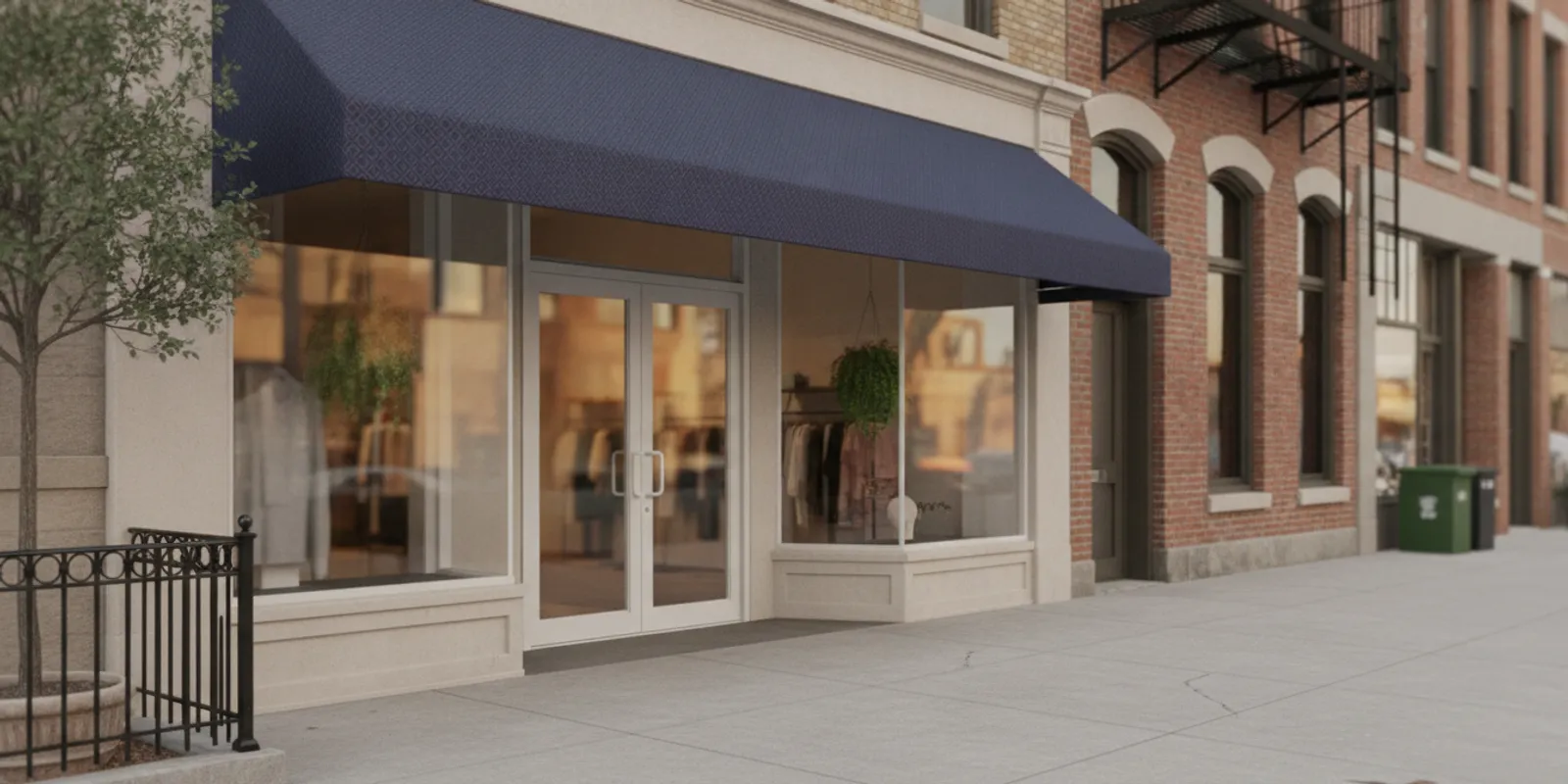
Awnings and canopies can display a business name or logo, but their review may involve more than the sign lettering. Agencies may consider the awning’s dimensions, projection from the building, location, materials, and attachment. If it includes lighting or electrical components, those details may need separate review.
Photographs of the building and existing conditions can help show how the proposed awning will fit the site. Record the intended mounting area, nearby features, and any existing signs, then ask the local jurisdiction which drawings and approvals it requires. Rules vary across NYC and neighboring municipalities, so do not assume an approval for one location applies elsewhere. San Signs & Awnings can coordinate custom awning work with the project’s permitting needs.
Ground, pylon, and multi-tenant monument signs
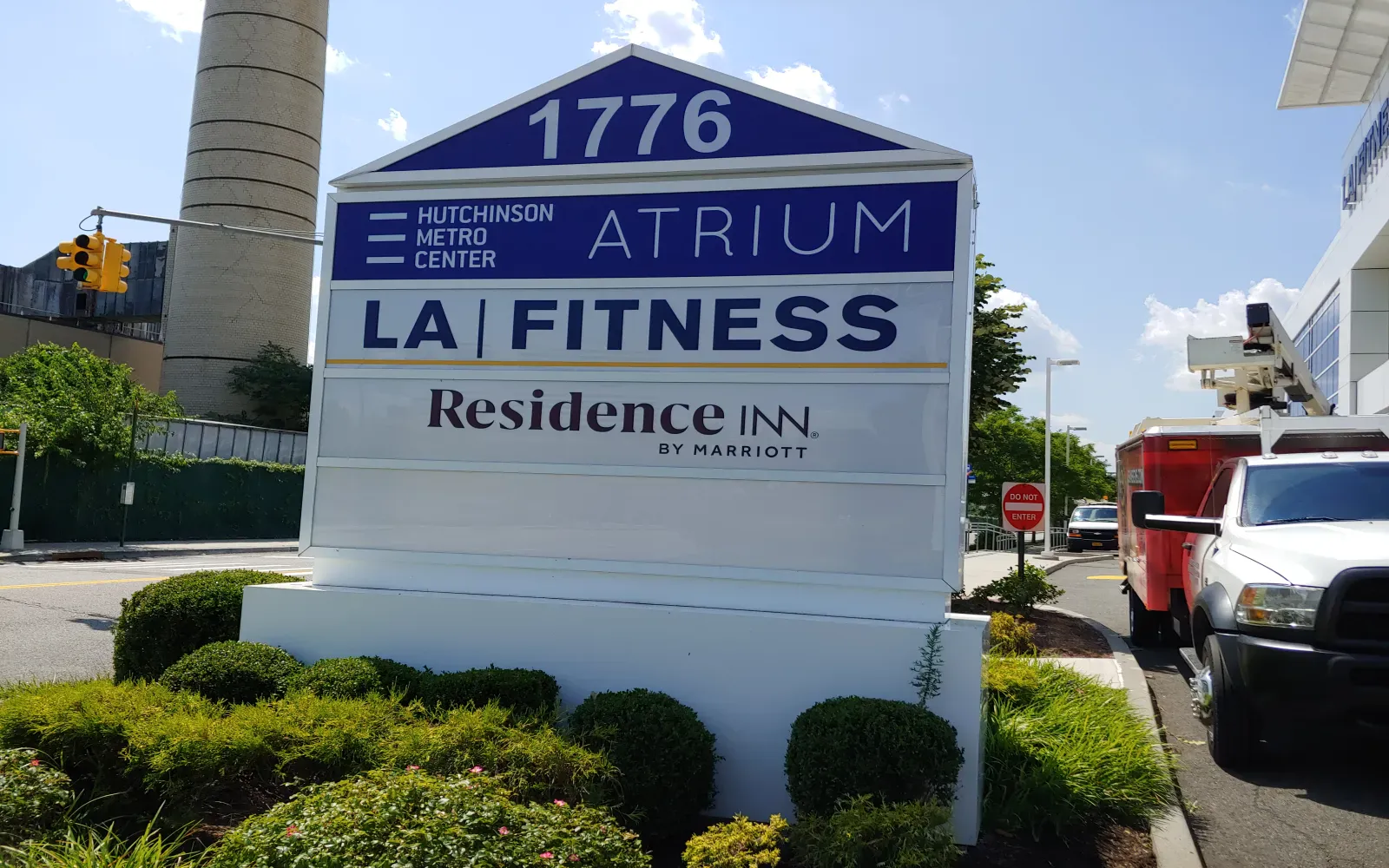
Ground, pylon, and monument signs stand on a property rather than attaching directly to a building. Their height, footprint, distance from property lines, visibility, and foundation may all affect the review. For a multi-tenant sign, the overall layout may also need to account for tenant panels, the property’s sign plan, and the needs of the building or development.
Requirements can vary by zoning district, property use, sign dimensions, lighting, and placement. A freestanding sign may require zoning review along with building or structural documents. Before settling on a design, confirm what the address allows and whether the property owner or developer must authorize the application. San Signs & Awnings provides commercial signage solutions for businesses and property teams planning signs for shared sites.
Illuminated signs and electronic message centers
Illuminated signs and electronic message centers can require added review because they produce light and use electrical components. The illumination method, location, brightness, operating hours, and nearby uses may affect which rules apply. Digital displays may also face limits on message changes, animation, or operating schedules, depending on local requirements.
In NYC, an illuminated sign that extends beyond the building line may require an annual illuminated sign permit, according to the NYC Department of Buildings. Electrical permits or inspections may also apply, depending on the installation. Confirm sign placement and electrical requirements before approving production drawings. For an electronic message center, check local digital-display rules as well as general sign regulations, since requirements vary by municipality and property.
Window graphics, temporary signs, and replacements
Window graphics and temporary signs may seem simple to install, but requirements can depend on how much window area they cover, how long they will remain, and whether they are illuminated or project beyond the building. Some properties also have rules about signage visibility or the portion of a window that can be covered. A replacement may need review even if it looks similar to the existing sign.
Before ordering materials, confirm whether the sign is permit-exempt and whether zoning, landmark, or property rules still apply. Keep the design, dimensions, installation details, and display period consistent across application documents. If a replacement changes the size, placement, or lighting, check with the relevant agency rather than assuming the original approval covers it. San Signs & Awnings’ signage FAQs offer a helpful starting point for project questions.
Zoning, building, electrical, and landmark approvals
Different reviews address different parts of a sign project. Zoning rules may govern sign type, size, placement, and illumination. Building review may address structural support, attachment, or the foundation for a freestanding sign. Electrical review may apply to illuminated signs and message centers. Properties in historic districts or with landmark status may require preservation review before work begins.
The approvals required depend on the address, sign design, and property conditions. Confirm which agencies have authority, what documents they need, and whether approvals must be obtained in a particular order. The NYC Landmarks Preservation Commission provides information about properties and districts under its review. San Signs & Awnings can help coordinate permitting with design, fabrication, and installation through its end-to-end process.
Which NYC-Area Sign Rules Should You Check First?
Confirm the municipality, address, zoning district, and reviewing agency
Start with the sign’s exact street address. Requirements can differ between New York City and nearby municipalities, and may also change from one zoning district to another. Confirm which agency reviews signs at the property and whether any special district rules apply. A sign that is permitted at one location may not be suitable for a similar-looking building nearby.
Gather the address and any zoning or district information before settling on a design. A site-specific sign-permit review can help identify rules for sign types, dimensions, illumination, and projection limits. Checking these details early gives you a clearer picture of what the site can accommodate before you approve drawings or begin fabrication.
Check rules for sign size, height, placement, materials, and lighting
Once you know which jurisdiction and district apply, check the standards that will shape the sign. These may cover sign area, height, placement on the building, projection over a sidewalk, materials, and lighting. If the sign will be illuminated, include its lighting details in your planning, since electrical or building reviews may also apply.
A sign may still need to comply with zoning, landmark, electrical, or structural rules even if it is small or painted. The NYC signage filing overview explains why permit requirements and other property rules should be considered together. Confirm the applicable standards before approving final plans, so the proposed sign details match the requirements for the site.
Identify historic-district rules, property conditions, and owner approvals
Find out whether the property sits in a historic district or another area with design review requirements. These may affect a sign’s placement, appearance, or illumination. Site conditions matter, too. Existing signs, façade materials, structural features, and utilities can influence where a new sign can go and how it can be installed.
If you lease your space or manage the property for someone else, ask who must approve the work. A landlord, owner, or property manager may need to authorize the sign or provide information for the application. San Signs & Awnings’ project process brings planning, permitting, and installation into the same conversation, helping teams account for property details early.
Verify application steps, fees, timelines, and permit conditions
Before you set an installation date, confirm which forms, drawings, and supporting documents the application requires. Ask which reviews are needed, whether they happen in sequence, what fees apply, and how revisions or additional requests could affect the schedule. Review times vary by location and project. Historic districts and design review areas may require more time than routine applications.
Keep copies of submissions, agency comments, approvals, and any permit conditions. If the design changes after an application is filed, check whether the agency needs revised documents or another review. Guidance on the sign permit process notes that review times can depend on the application and location. Build time for review and revisions into your project schedule before coordinating fabrication and installation.
What Should You Share With a Sign Permit Assistance Provider?
A permit assistance provider can give more useful guidance when they understand both the proposed sign and the property where it will be installed. Share the information you have, even if some design choices are still open. If you’re unsure about a measurement, restriction, or required document, say so rather than guessing. Your provider can help identify what needs to be confirmed before an application is prepared.
Start with the property address, your goals for the sign, and your ideal schedule. Then gather photos, existing sign details, design concepts, and any landlord requirements. These details help the team assess potential reviews and coordinate permitting with design, fabrication, and installation. San Signs & Awnings’ project process guides clients through these stages, from planning to installation.
Describe the sign’s type, purpose, dimensions, location, materials, and lighting
Explain what kind of sign you’re planning and what it needs to do. For example, will it identify your business, direct visitors, display changing messages, or promote a service? Share its approximate width and height, proposed materials and colors, and whether it will be illuminated. Include the intended location and mounting method, such as attachment to a wall, placement in a window, or installation on a freestanding structure.
If you know that the project will involve electrical work or engineered drawings, mention that as well. These details help your provider identify what information may be needed for permit documents. Sign permit guidance also recommends sharing illumination and mounting details. If your design is still in progress, label estimates clearly and note what may change.
Share the site address, photos, existing signs, and known restrictions
Provide the full property address, including the borough or municipality. Requirements and reviewing agencies can differ by location, so the address helps your provider assess where the application may need to go. Add recent photos of the building and proposed sign area. Wide shots show the property in context; close-ups can reveal windows, doors, architectural details, and nearby signs that affect placement.
List existing signs on the property and include their approximate locations and sizes. Tell your provider about any restrictions you know of, such as building rules, historic-district requirements, or conditions from an earlier approval. You don’t need to determine whether each restriction applies before asking for help. Share what you have, and ask your provider to help clarify the next steps. San Signs & Awnings also answers common planning questions in its signage FAQs.
Provide design concepts, drawings, schedules, and deadlines
Send any sketches, renderings, drawings, or written specifications you already have. Preliminary materials can still help your provider understand the project and identify details that need to be developed. Include measurements and placement information where available. For illuminated signs, share the proposed lighting type and any electrical plans. Note which parts of the design are settled and which may change.
Your schedule matters, too. Share your preferred installation date, business opening plans, construction milestones, or lease-related deadlines. Permit reviews may involve follow-up questions or requests for revisions, so early notice gives your team a chance to plan around those steps. A commercial sign permit guide outlines the kinds of plans and specifications that may be needed. Your provider can confirm which documents apply to your project and location.
Share landlord contacts and authorization requirements
If the property is leased, provide the landlord’s or property manager’s contact information. Share any lease language, building guidelines, or approval forms that address signage. The property owner may require a design review or written authorization before permit materials are submitted, so it helps to find out what they need early.
Clarify who will request approval and who will keep the paperwork. Save written permissions and related correspondence with your project documents, then pass along any landlord feedback that affects the sign design. If the property manager requests changes, tell your sign provider before application documents are finalized. Clear communication among the tenant, owner, provider, and reviewing agency helps everyone work from the same plan.
Get Permit Support from Application to Approval
A sign permit is only one part of getting a sign approved. Depending on the project, you may also need zoning, building, electrical, landmark, or property-owner reviews. Requirements vary by municipality and site, so confirm them before you commit to a design or installation date. Keeping permitting connected to design, fabrication, and installation helps the team work from the same plans and address questions before they affect the schedule.
Create a clear process for gathering documents, submitting applications, responding to agency requests, and sharing approval conditions with everyone involved. A designated point of contact can help keep communication organized among your business, property manager, sign company, and contractors. San Signs & Awnings’ project process guides clients from planning through installation, with permitting and code-compliance support included in the broader project coordination.
Confirm which permits and reviews the sign and site require
Start by confirming what the specific property allows. Requirements can depend on the municipality, zoning district, building type, and sign features such as size, placement, projection, and illumination. A project may need more than a sign permit. For example, illuminated signs can involve electrical review, while a property in a historic district may require an additional approval.
Identify the agencies with jurisdiction and check whether the property has conditions that affect the proposal. Confirming these details early can help you shape a workable design before moving into fabrication. Metro Sign Services’ permit guidance recommends checking site-specific rules before ordering or installing signage. In the NYC area, requirements can differ across city and town boundaries, so verify them for the exact address.
Prepare and check forms, plans, and technical documents
After confirming which approvals apply, gather the information each reviewing agency requires. Applications may ask for the site address, owner authorization, sign dimensions, materials, lighting details, and drawings that show the sign’s position on the building or property. Depending on the project, you may also need elevations, mounting details, or other technical documents.
Check that measurements and descriptions match across the application and plans. If the documents show different dimensions or placement, a reviewer may request clarification or revised materials. Before submitting, confirm that all required fields are complete and that each document reflects the current design. Permit Place’s commercial sign permit guide explains why careful preparation matters, particularly when a project includes several signs or locations.
Coordinate submissions and agency communications
Once an application is submitted, track its status and monitor messages from the reviewing agency. Record the submission date, the agency’s contact information, and how to check for updates. Decide who will receive agency communications, share requests with the project team, and prepare responses. A clear point of contact helps prevent questions from being missed or answered with outdated information.
If a reviewer asks for clarification or revised plans, confirm what needs to change and how to submit the updated documents. Keep the property owner, sign provider, and other project contacts informed so they can coordinate their work. Reliable Signs’ permit process overview also emphasizes checking for agency updates throughout the review.
Track requests, fees, revisions, and approval conditions
Keep a permit log for each sign or location. Record application dates, fees, agency requests, revision deadlines, and status updates. Save submitted plans and correspondence in a shared folder, and label each version clearly. This makes it easier for the team to confirm which documents are current, especially when multiple people are handling design, property approvals, and installation.
When approval arrives, review the conditions and share them with the people responsible for the work. The permit may specify placement, installation details, or an expiration date. Some approvals require renewal, so note relevant dates and follow-up steps. Metro Sign Services’ permit information describes tracking permit status and renewal needs as part of maintaining compliance.
Align permitting with design, fabrication, and installation schedules
Include permitting in the project schedule from the start. Agency review and requested revisions can affect when fabrication and installation can begin, so check expected timelines with your sign provider, property manager, contractor, and other project partners. Avoid setting firm installation dates until you understand the required approvals and how long review may take.
Keep the permit documents aligned with the final design. If the sign’s size, materials, lighting, or placement changes, check whether the revised proposal needs further review before work proceeds. Share approved plans and permit conditions with the fabricator and installer so they know what the agency authorized. This coordination helps reduce avoidable rework and gives the project team a clear path from approval to installation.
Avoid Common Application Mistakes
A sign permit application can stall when details are missing, inconsistent, or based on assumptions. Before submitting, confirm which rules apply to the property, check that every document describes the same design, and keep track of agency requests and deadlines. A little coordination early can help prevent avoidable revisions and keep permitting aligned with your installation schedule.
Don’t assume small, temporary, or replacement signs are exempt
A sign’s size or temporary status does not automatically mean it is exempt from every requirement. Even if a sign does not need a Department of Buildings permit, zoning rules, electrical regulations, landmark requirements, or structural review may still apply. A replacement sign may also need review if its dimensions, location, materials, or lighting differ from the existing sign.
Before ordering or installing a sign, confirm what applies to the specific property and design. This overview of NYC sign permit requirements explains why checking for a building permit alone may not identify every approval you need.
Apply to the right jurisdiction and include required reviews
Permit requirements and application processes can vary by municipality, property location, and sign type. Start with the exact site address, then identify the agencies responsible for reviewing the proposed sign. Check whether the property is in a historic district or another area with additional requirements.
A project may need zoning, building, electrical, or landmark review, sometimes from more than one agency. Confirm sign types, size limits, placement, projection, and illumination rules before finalizing the design. Address-specific sign permit guidance can help you identify details to verify. Always confirm the requirements with the agencies that review work at your property.
Submit complete plans with consistent measurements
Missing drawings or conflicting measurements can lead to questions, revisions, and resubmissions. Before filing, check that the application, sign drawings, site plans, and supporting documents all describe the same proposal. Show clear dimensions, the sign’s location, how it will be attached, and whether it will be illuminated.
For projects with multiple signs, label each sign consistently across drawings and schedules. A final document check can help agencies review the proposal without having to request basic clarifications. This commercial sign permit guide outlines common application issues that may delay a review.
Update submitted documents when the sign design changes
A design change after submission can affect whether the application still reflects the proposed work. Changes to the sign’s size, placement, materials, mounting, or lighting may require revised drawings or additional review. Keep a copy of the submitted plans, and share updates with everyone involved, including the property owner, designer, permit provider, and sign fabricator.
Before work proceeds, ask whether the change needs to be filed with the reviewing agency. Keeping approved documents aligned with the final design helps prevent confusion during review and installation. San Signs & Awnings’ project process connects planning, permitting, fabrication, and installation, helping teams coordinate important details along the way.
Wait for approvals and required permits before fabrication or installation
Before committing to fabrication or installation, confirm which approvals and permits the project requires and whether they have been issued. If an agency requests changes, fabricating the sign too early could mean paying for revisions or replacing work that does not match the approved plans. Installing before required permits are in place may also lead to enforcement action, fines, stop-work orders, or removal requirements.
Check whether approval conditions affect materials, placement, lighting, or installation methods. Keeping the project team informed about those conditions can help prevent work from moving ahead prematurely. This guide to sign permits and zoning explains why it is important to confirm approvals before installation begins.
Track deadlines, renewals, and approval conditions
Keep permit numbers, approval documents, agency correspondence, deadlines, and conditions together in a shared project file. Assign someone to check for agency updates and respond promptly when reviewers request more information. Some permits expire or require renewal, so record relevant dates and confirm what applies to the sign and property.
If ownership or property management changes, share the records with the new team. A clear tracking process can help prevent missed deadlines and make future repairs or sign updates easier to plan. Ask your permit assistance provider which items they will monitor and which remain your responsibility, including renewals and compliance with approval conditions.
Choose a Sign Permit Assistance Provider
A sign permit assistance provider should make the approval process clearer, not leave you guessing about who handles each step. Before hiring, ask about local experience, application support, project costs, and your responsibilities. Clear answers help you coordinate permitting with your sign’s design, fabrication, and installation.
Look for commercial signage and local permitting experience
Choose a provider that understands both commercial signage and the local rules that apply to your project. Requirements can vary by municipality, address, sign type, and reviewing agency. Ask whether the team has worked on signs like yours, such as an awning, illuminated display, building-mounted sign, or multi-tenant monument sign.
A provider familiar with the NYC area should be able to explain which agencies may review your application and what site conditions could affect your plans. Zoning limits or historic-district rules, for example, may shape a sign’s size, placement, or lighting. Review the provider’s experience with NYC sign permit requirements, and ask how they confirm the rules for your specific property before design decisions are final.
Confirm support for documents, submissions, and agency follow-up
Ask exactly what the provider will prepare and manage. Depending on the project, an application may require forms, drawings, dimensions, site photos, property details, or technical information. Find out who checks the documents for completeness and consistency, and who submits them to the appropriate agencies. Missing information or conflicting measurements can lead to questions and revisions.
Clarify how the provider handles agency follow-up, too. Will they track requests, communicate with reviewers, and help prepare responses if plans need changes? Some providers offer advice but expect the customer to submit documents or contact agencies. Get the scope in writing before work begins. San Signs & Awnings explains how its process connects planning, permitting, and installation, so clients can understand how permit work fits into the wider sign project.
Ask how the provider manages fees, timelines, revisions, and responsibilities
Request a written estimate that explains what the provider’s fees cover and which costs may be billed separately. Permit fees, extra reviews, design changes, and resubmissions can affect the budget. Ask how you’ll be notified if an agency requests revisions or new information changes the scope.
Discuss timing before setting expectations with your landlord, tenants, or project team. Ask which steps depend on agency review, what information you must provide, and how permitting fits with design, fabrication, and installation. A provider cannot control an agency’s decision date, but they should explain the process and provide updates. Also confirm who approves design changes and tracks permit conditions. Checking the rules for your specific address early can help prevent compliance problems, as explained in this guide to NYC sign requirements.
Review customer feedback and clarify which approvals remain your responsibility
Look for feedback from businesses or property teams with projects similar to yours. Reviews may help you assess how clearly a provider communicates, responds to questions, and coordinates work. Ask for examples of relevant projects and how the team keeps clients informed when an application needs more information or a design change.
Then, confirm which tasks belong to you. You may need to secure landlord authorization, provide property records, pay certain fees, or obtain approvals beyond the sign permit. Ask who handles each step, how it affects the schedule, and what happens if an approval is delayed. A written list of responsibilities can prevent confusion once the project is underway. San Signs & Awnings outlines its planning and installation process to help clients understand how sign work is coordinated from early planning through installation.
Get Sign Permit Assistance from San Signs & Awnings
Plan custom signs and awnings around permits and code requirements
Before settling on a sign design, check which rules apply to your property. Requirements can vary by municipality and address, and may cover sign size, placement, projection, illumination, or historic-district restrictions. A project may also need zoning, building, electrical, or landmark review.
San Signs & Awnings helps clients consider permitting and code requirements during the planning stage, so these details can inform design choices from the start. Share your property address and project goals to help the team understand the site and discuss possible next steps. You can also review the company’s process from planning through installation to see how each part of a custom signage project fits together.
Coordinate application documents and agency communications
Permit applications may require sign measurements, drawings, site information, and other supporting documents. Clear, consistent details help reviewers understand the proposed sign. Projects involving several agencies or property stakeholders may also require careful coordination of submissions, questions, fees, and approval conditions.
San Signs & Awnings can help coordinate permit-related information as part of your signage project. Ask the team which documents and reviews may apply to your sign and location, and clarify who will handle each step. Requirements differ across jurisdictions, so confirming responsibilities early can help your team plan with confidence. For answers to common questions about the company’s services and process, visit the San Signs & Awnings FAQs.
Connect permitting with design, fabrication, and installation
Permitting is closely tied to the rest of a signage project. Design details inform the plans submitted for review, and approval conditions may affect how a sign is fabricated or installed. If the proposed sign changes after submission, the documents may need to be updated before work moves ahead.
San Signs & Awnings coordinates permitting considerations with design, fabrication, and installation, helping keep the project’s stages connected. This approach gives business owners, developers, and property managers a consistent point of contact as decisions move from early concepts to finished signage. Explore examples of signs for businesses and commercial properties in the company’s retail and commercial signage portfolio.
Get support from planning through installation for your NYC-area business or property team
Whether you’re opening a storefront, replacing an awning, or planning signs for a multi-tenant property, clear coordination makes the process easier to manage. San Signs & Awnings works with businesses, developers, and property managers across the New York City area, providing support with planning, permit-related details, fabrication, and installation.
To begin a conversation, share the project address, the sign type you’re considering, your design ideas, and your target schedule. Photos of the property, existing drawings, landlord requirements, or details about current signage can also help the team understand the project. Visit How It Works to learn how San Signs & Awnings guides clients from initial planning through installation.
Frequently Asked Questions
Does every business sign need a permit in New York City? Not necessarily. Some signs may not require a Department of Buildings sign permit, but other rules can still apply, including zoning, electrical, structural, or landmark requirements. Check the rules for the specific property and sign before ordering or installing it.
How long does it take to get a sign permit approved? Timing depends on the municipality, the sign design, the reviews required, and whether the agency requests more information. Ask which steps apply to your project, and allow time for possible revisions before setting an installation date.
What information should I gather before asking for permit assistance? Start with the property address, photos of the building, and any existing sign details. Share the proposed sign’s type, approximate dimensions, placement, materials, lighting, design drawings, and your target schedule. If you lease the property, include any landlord or property-manager requirements you know about.
Can I install a replacement sign without applying for a new permit? Don’t assume an existing approval covers a replacement. Changes to a sign’s size, location, materials, lighting, or mounting may require a new review or updated documents. Confirm the requirements with the agency responsible for the property before work begins.
Can sign permit assistance guarantee approval? No provider can guarantee an agency’s decision. Permit assistance can help identify likely requirements, organize application materials, and coordinate follow-ups, but the reviewing agency makes the final decision.